Interior design and decoration are more than just aesthetic undertakings—they are essential to how we experience the spaces we live, work, and relax in. At its core, interior design merges creativity with functionality, aiming to enhance a space’s utility while reflecting the occupant’s personality and lifestyle. From the thoughtful placement of furniture to the selection of colors, 室內設計 , and lighting, every detail plays a part in crafting a harmonious environment.
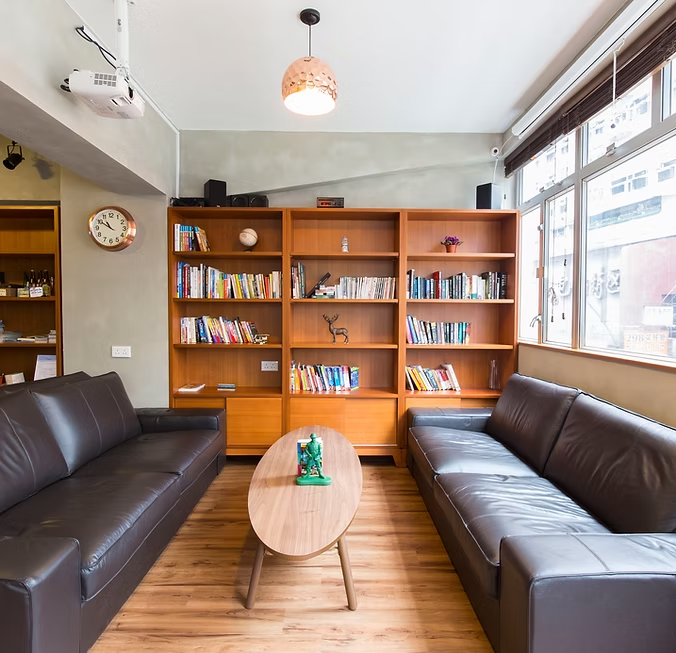
One of the primary principles of interior design is balance, which involves distributing visual weight across a room. This could be achieved through symmetrical arrangements, like matching nightstands on either side of a bed, or asymmetrical designs that create interest and flow. Proportion and scale are also vital—an oversized sofa in a small living room can overwhelm the space, while too many small items in a large room can make it feel cluttered and incohesive.
Color schemes significantly influence the mood of a room. Warm hues such as reds, oranges, and yellows can evoke feelings of energy and warmth, making them ideal for living rooms and dining areas. Cool colors like blues, greens, and purples tend to have a calming effect, which suits bedrooms and bathrooms well. Additionally, neutrals—grays, whites, and beiges—provide a timeless backdrop that can be easily updated with accent colors or seasonal decor.
Texture and lighting are other crucial elements of interior decoration. Incorporating different textures—like soft throws, sleek metals, and rough natural wood—adds depth and tactile richness to a room. Lighting, both natural and artificial, sets the atmosphere. Layered lighting that combines ambient, task, and accent lights can make a space more adaptable and dynamic. For example, dimmable ceiling lights combined with floor lamps and under-cabinet lighting create flexibility for different activities and moods.
Personal expression lies at the heart of interior decoration. While design trends may come and go, the most memorable spaces reflect the personality and interests of those who inhabit them. Art, family photos, travel souvenirs, and favorite books are all elements that tell a story and make a home feel uniquely yours. Whether you favor minimalist Scandinavian style, cozy farmhouse charm, or eclectic bohemian flair, your choices in decor can transform a space into a reflection of who you are.
In conclusion, interior design and decoration are powerful tools for improving our quality of life. They influence our mood, productivity, and even our relationships by shaping the spaces we inhabit. By thoughtfully combining function, aesthetics, and personal touches, anyone can turn an ordinary room into an extraordinary living space that nurtures comfort, creativity, and connection.